Search results: 284

Gang Investigation and Prosecution (JAN 2026)
This course is designed to train sworn law enforcement officers with knowledge, tools, and investigative techniques to effectively detect, investigate, and assist in the prosecution of criminal street gangs operating in the State of Georgia.

Gang Investigation and Prosecution (MAR 2026)
This course is designed to train sworn law enforcement officers with knowledge, tools, and investigative techniques to effectively detect, investigate, and assist in the prosecution of criminal street gangs operating in the State of Georgia.

Gang Investigation and Prosecution (MAY 2026)
This course is designed to train sworn law enforcement officers with knowledge, tools, and investigative techniques to effectively detect, investigate, and assist in the prosecution of criminal street gangs operating in the State of Georgia.

Gang Investigation and Prosecution (OCT 2025)
This course is designed to train sworn law enforcement officers with knowledge, tools, and investigative techniques to effectively detect, investigate, and assist in the prosecution of criminal street gangs operating in the State of Georgia.

Generative AI
This interactive online course is designed to present GPSTC staff with information to better understand what Generative AI is, its uses on the job, its reliability, and its limitations so as to facilitate a more efficient work flow.



Georgia Uniform Motor Vehicle Crash Report Update Training
This course will provide law enforcement officers with the updated information contained in the new Georgia Uniform Motor Vehicle Crash Report. Applicants who complete this online module will receive one (1) hour of POST training credit.

Handling TTY Calls
This independent online course provides communication officers with an overview of legal requirements that impact communication impairments, a review of TTY equipment, and proper protocol when communicating with TTY users.

Hate Crimes
This course is focused on the steady increase of hate crimes in Georgia over the past few years. Bias crimes can have a unique effect on the victim. Therefore, it is vital to learn about hate crimes and how to respond. Topics will include hate crimes and characteristics, effective police response to hate crimes, and the ongoing role of law enforcement with victims and the community. All public safety professionals need to be able to identify and report hate crimes; the information in this course provides a basic awareness of the issue and will be helpful to all public safety disciplines.

Human Trafficking and the Commercial Sexual Exploitation of Children
The Human Trafficking and CSEC online course provides public safety personnel with information needed to help identify potential cases of human trafficking. The course contains tips for interacting with possible victims, including how to approach and communicate with them in a way that enhances cooperation and furthers the investigation. Students will learn what they can do to assist victims of trafficking. Additionally, students will learn about available resources to aid in the investigation.
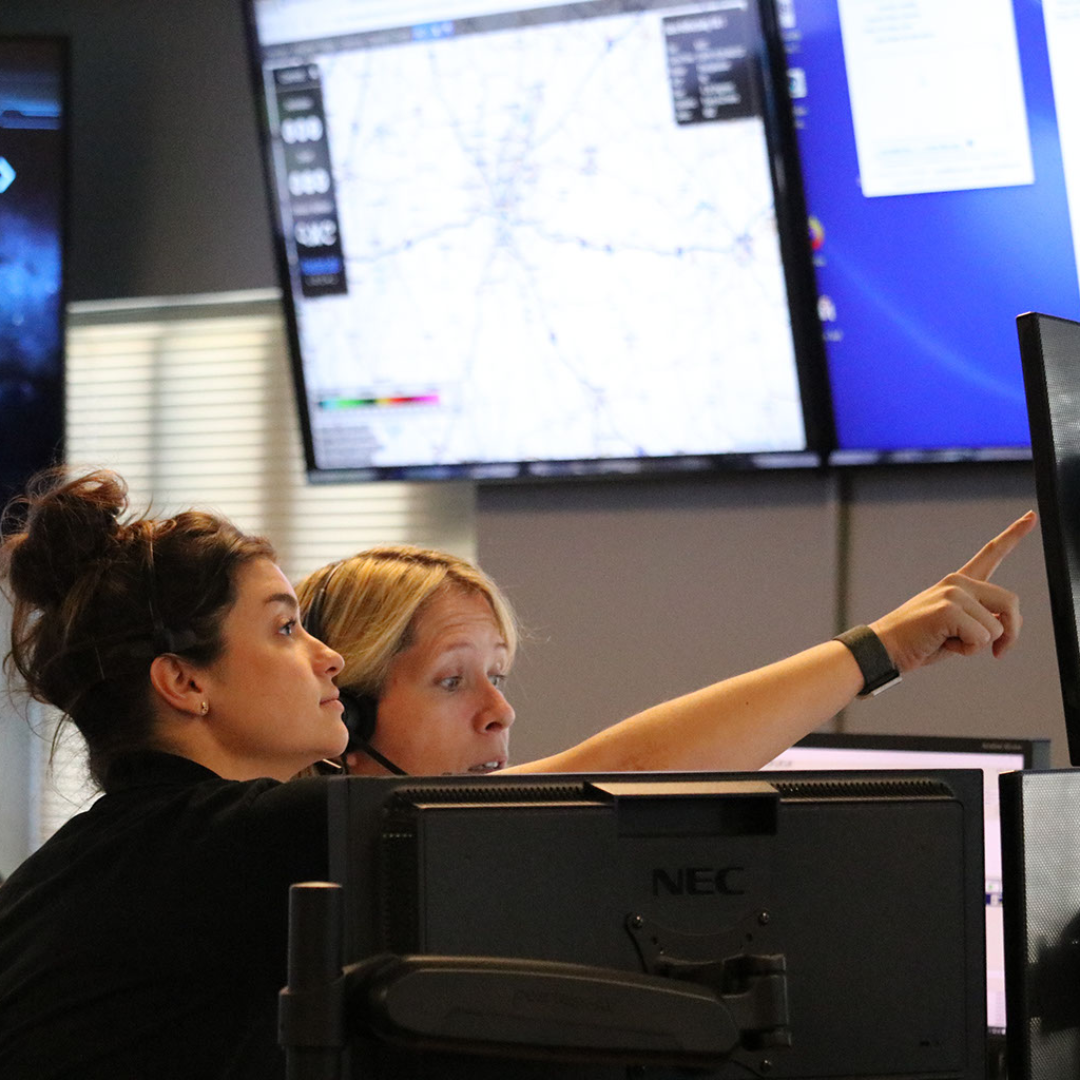
Human Trafficking Awareness for Telecommunicators
This course is designed to highlight how telecommunicators must be properly equipped with resources to combat human trafficking. Human Trafficking Awareness for Telecommunicators will focus on defining human trafficking, describing indicators of human trafficking, and suggesting appropriate assistance resources.

Human Trafficking Awareness Training
This online training course provides you with an understanding of how human trafficking affects our State and how you can be part of the solution to help eliminate this problem in our communities. As a State employee and public servant, you play an important role in all aspects of Georgia business. As such, you may encounter human trafficking victims in your own community. By teaching you to identify red flags and outlining steps for reporting human trafficking, you will become a trained eye working to stop this crime. Georgia believes in the power of knowledge and is committed to the ideal that an informed public is its best asset – Awareness is Georgia's strongest tool!
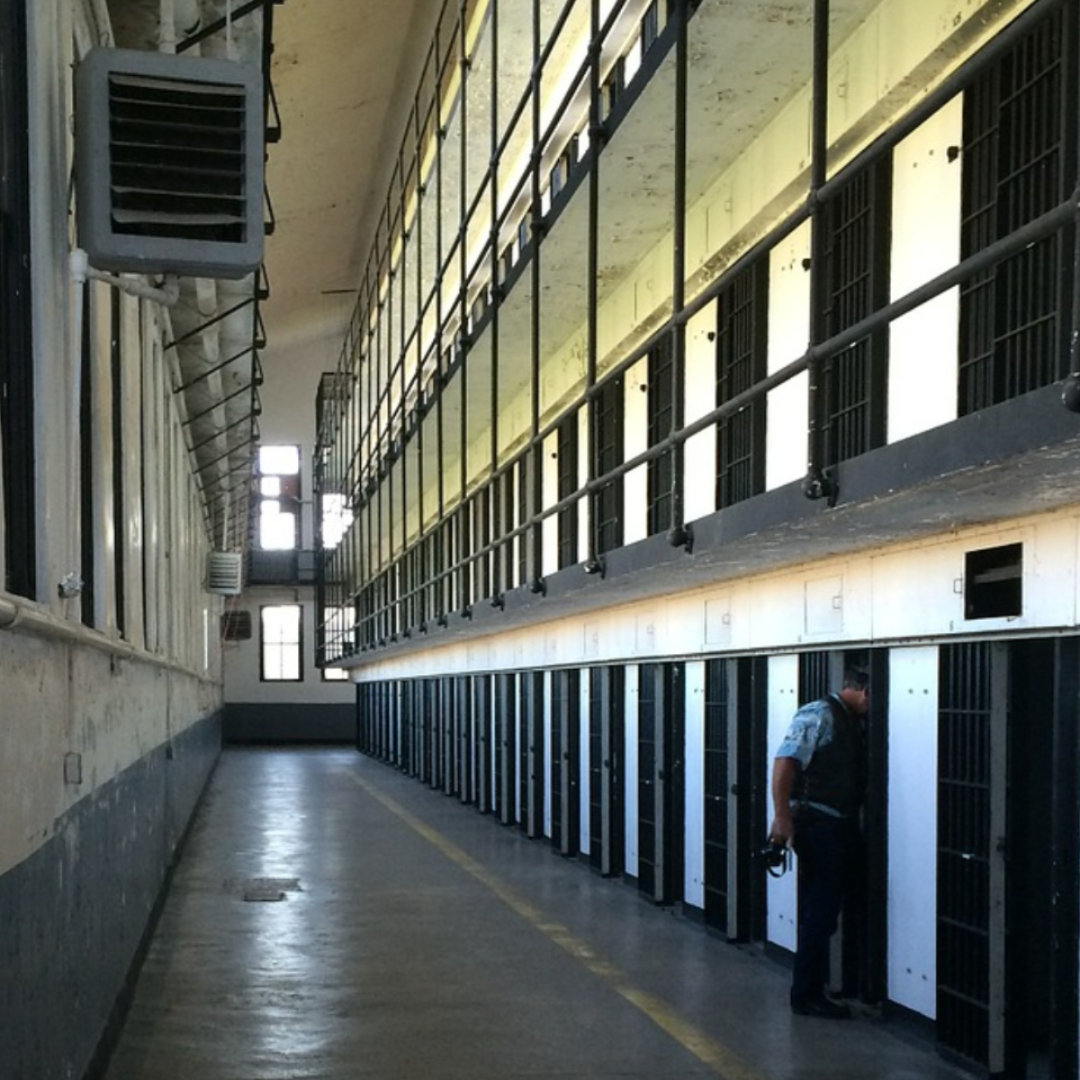
Inmate Manipulation
This course will identify manipulation techniques inmates attempt to use against employees, and will provide employees with the knowledge to prevent inmate manipulation.

Instructor Training Level I (APD)
This course is designed for the public safety officer who instructs in performance oriented training and is responsible for lesson plan development. Topics range from instructor liability and lesson plan design, to testing and evaluation of learning. During the course, each student writes an original lesson plan on an approved public safety topic and develops the presentation skills necessary to deliver that lesson.

Instructor Training Level I (APD)
This course is designed for the public safety officer who instructs in performance oriented training and is responsible for lesson plan development. Topics range from instructor liability and lesson plan design, to testing and evaluation of learning. During the course, each student writes an original lesson plan on an approved public safety topic and develops the presentation skills necessary to deliver that lesson.

Instructor Training Level I (APR 2026)
This course is designed for the public safety officer who instructs in performance oriented training and is responsible for lesson plan development. Topics range from instructor liability and lesson plan design, to testing and evaluation of learning. During the course, each student writes an original lesson plan on an approved public safety topic and develops the presentation skills necessary to deliver that lesson.

Instructor Training Level I (DEC 2025)
This course is designed for the public safety officer who instructs in performance oriented training and is responsible for lesson plan development. Topics range from instructor liability and lesson plan design, to testing and evaluation of learning. During the course, each student writes an original lesson plan on an approved public safety topic and develops the presentation skills necessary to deliver that lesson.

Instructor Training Level I (FEB 2026)
This course is designed for the public safety officer who instructs in performance oriented training and is responsible for lesson plan development. Topics range from instructor liability and lesson plan design, to testing and evaluation of learning. During the course, each student writes an original lesson plan on an approved public safety topic and develops the presentation skills necessary to deliver that lesson.

Instructor Training Level I (JAN 2026)
This course is designed for the public safety officer who instructs in performance oriented training and is responsible for lesson plan development. Topics range from instructor liability and lesson plan design, to testing and evaluation of learning. During the course, each student writes an original lesson plan on an approved public safety topic and develops the presentation skills necessary to deliver that lesson.