Search results: 284
Fire and Life Safety Educator II (APR 2026)
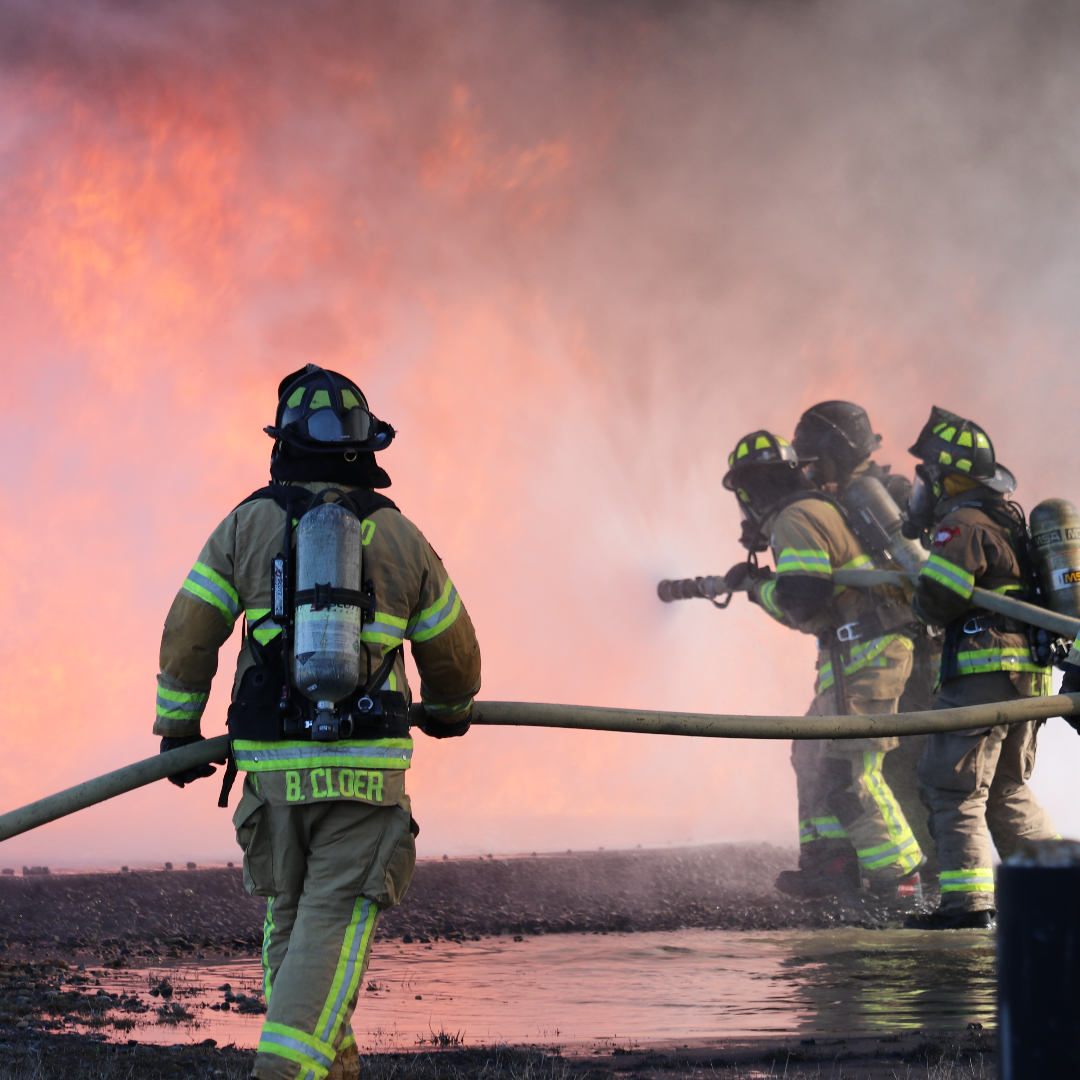
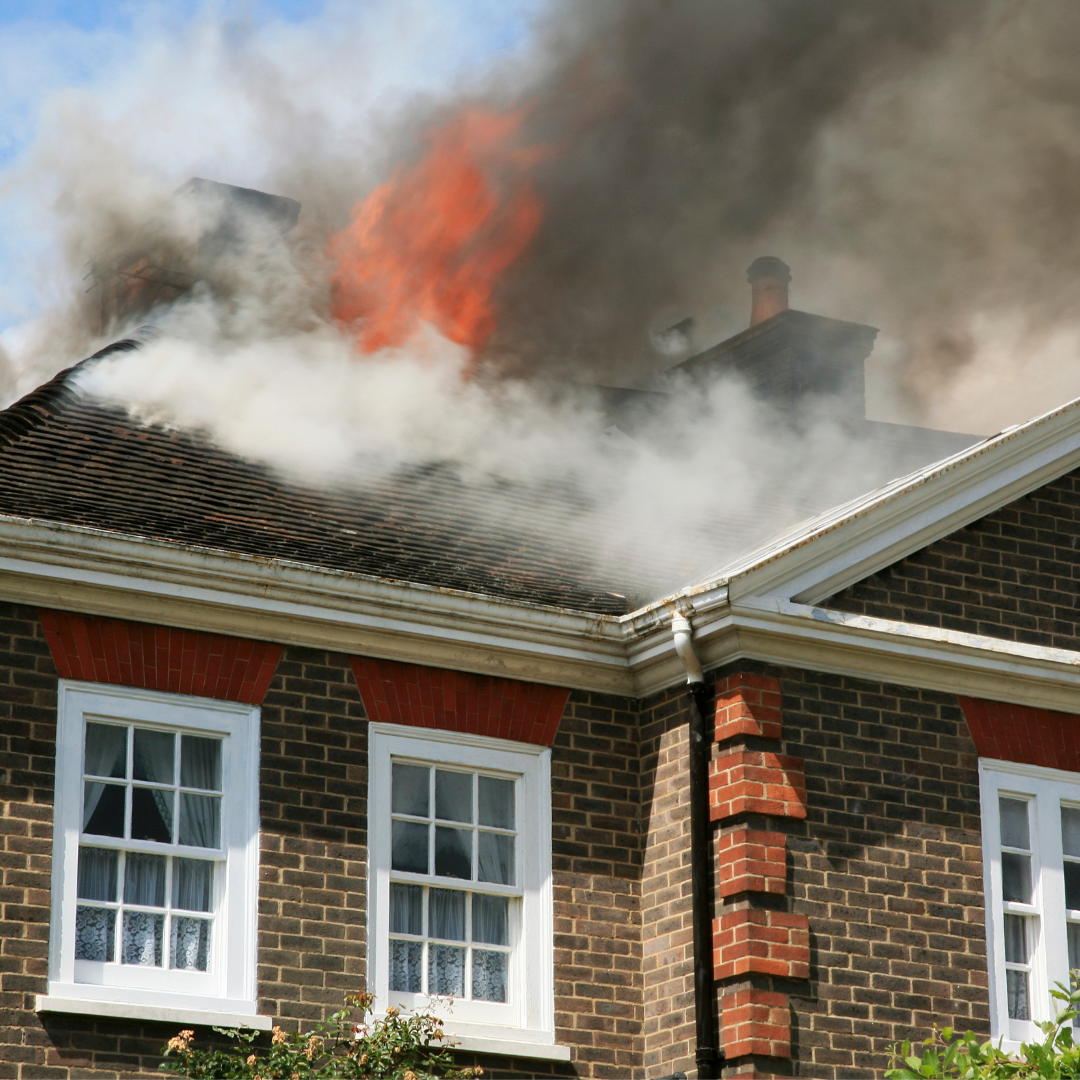
This course is a continuation of Fire and Life Safety I designed to provide the public fire and life safety educator with the knowledge and skills needed to successfully perform the requirements of a Fire and Life Safety Educator II as required by NFPA 1030 Standard for Professional Qualifications for Fire Prevention Program Positions, Chapter 10.
Fire Investigator - Module 1 (APR 2026)
Fire Investigator - Module 1 (FEB 2026)
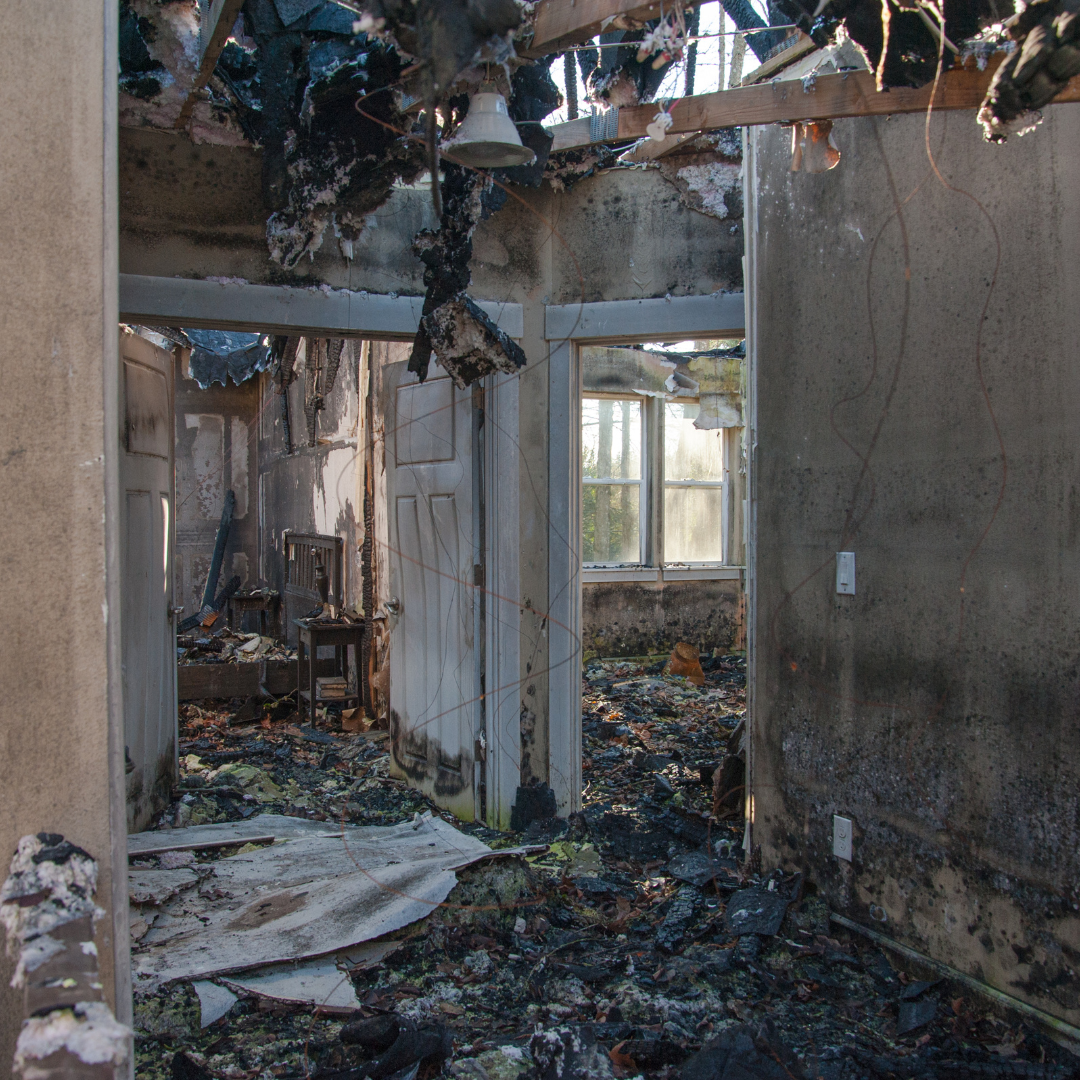
Fire Investigator - Module 2 (MAR 2026)
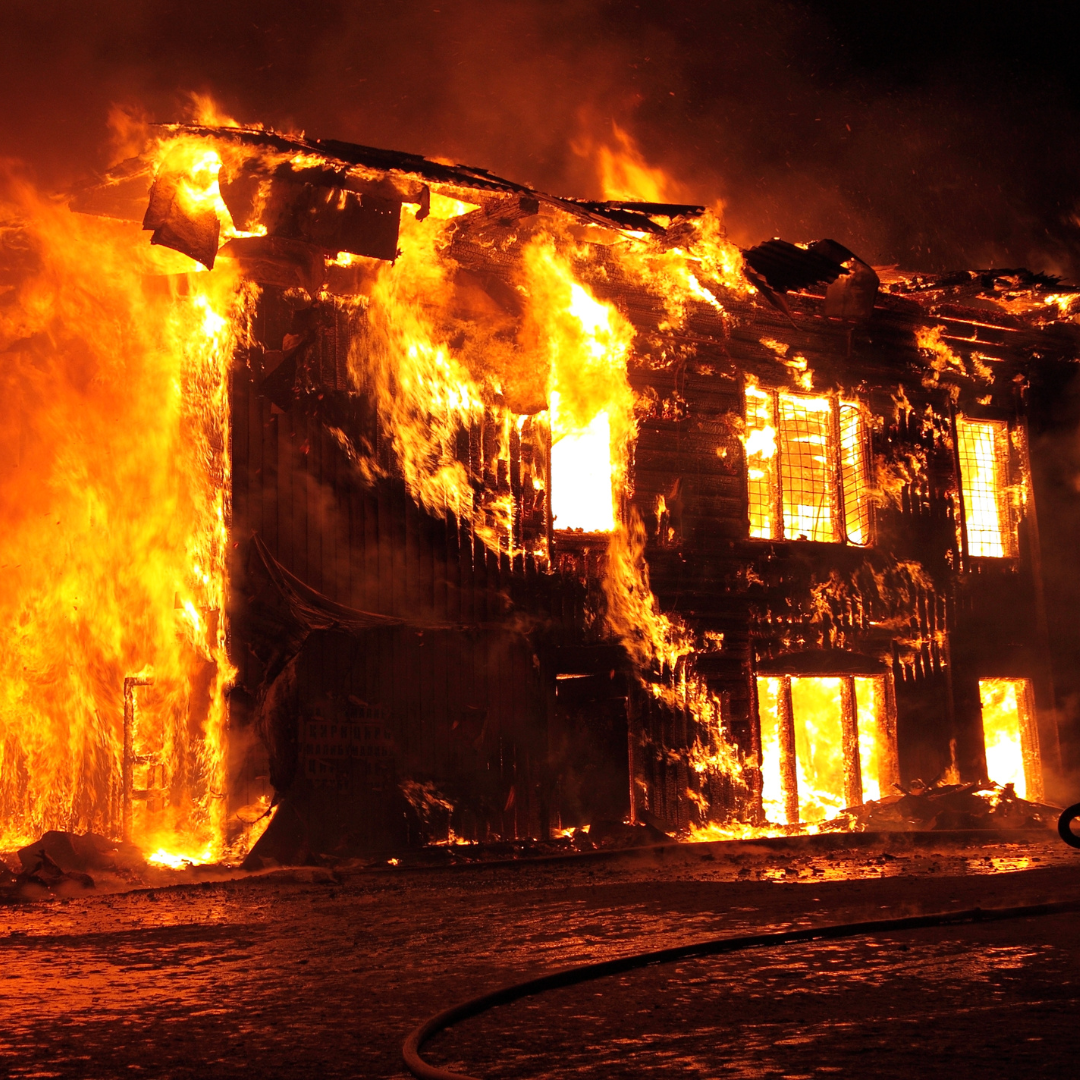
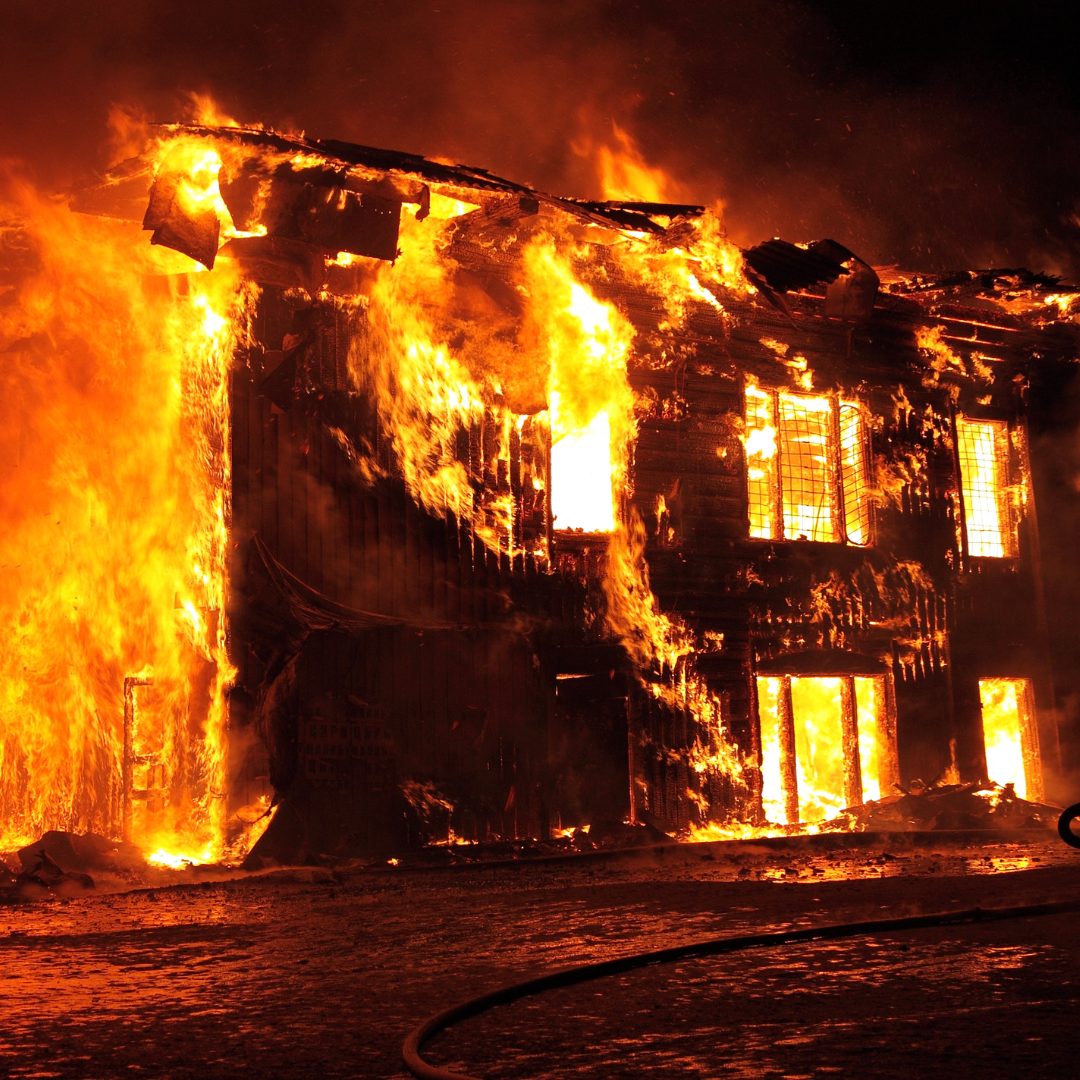
This course provides comprehensive, in-depth knowledge and resources to candidates who are charged with the responsibility of investigating and analyzing fire and explosion incidents and rendering opinions as to the origin, cause, or prevention of fire incidents and the damage and injuries from such incidents.
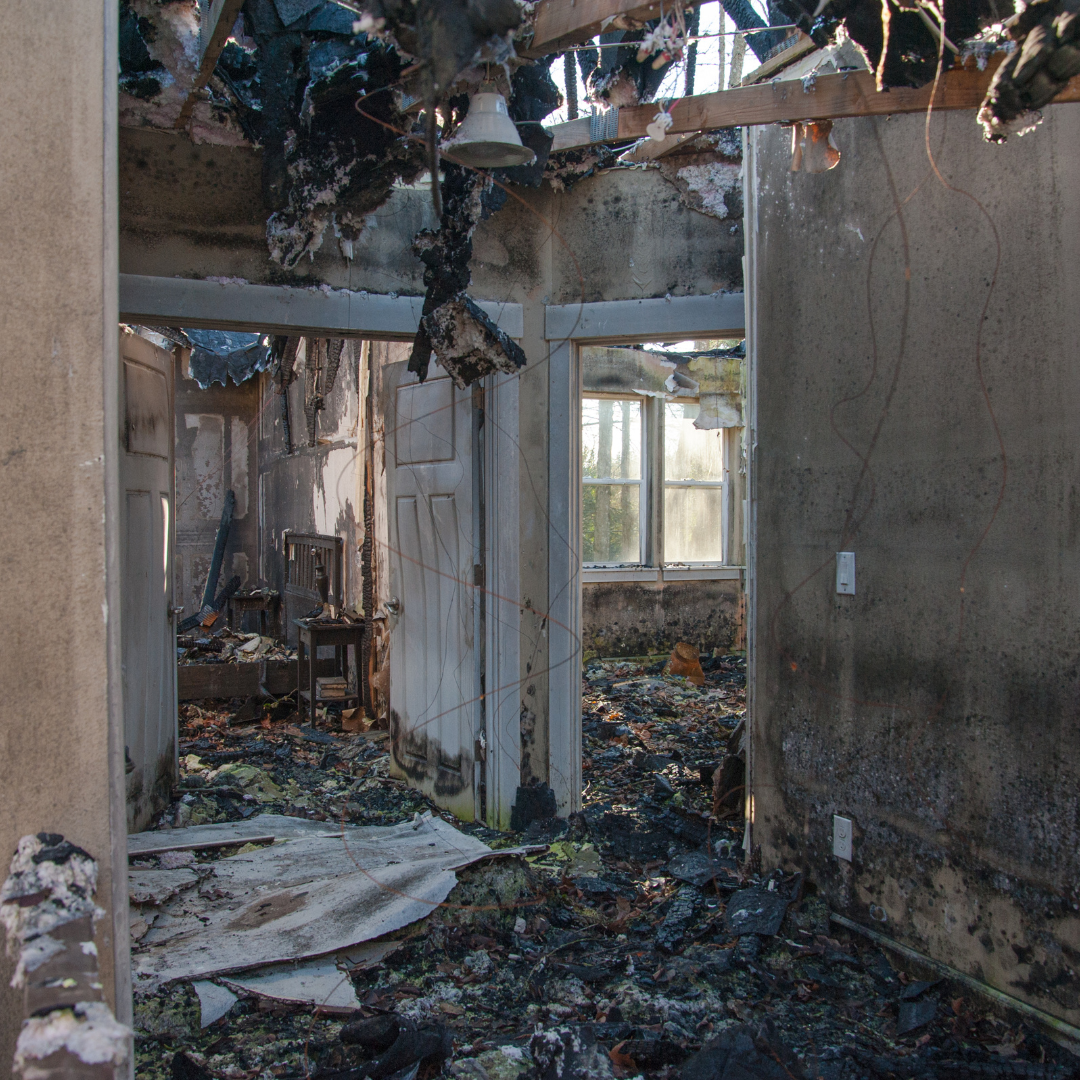
Fire Investigator - Module 2 (NOV 2025)
This course provides comprehensive, in-depth knowledge and resources to candidates who are charged with the responsibility of investigating and analyzing fire and explosion incidents and rendering opinions as to the origin, cause, or prevention of fire incidents and the damage and injuries from such incidents.

Fire Origin & Cause Determination for Company Officers (MAR 2026)
This course will provide suppression personnel and entry-level fire investigators with initial training and education on the fire service responder's responsibility in the process of fire investigations.

Fire Origin & Cause Determination for Company Officers (NOV 2025)
This course will provide suppression personnel and entry-level fire investigators with initial training and education on the fire service responder's responsibility in the process of fire investigations.

Fire Services Incident Planning Process - The Planning P
This independent online course provides instruction on Emergency Incident Planning as presented through the National Incident Management System (NIMS). This course provides one hour of training for those in the fire service. Fire Services Incident Planning Process - The Planning P is NOT A POST APPROVED COURSE and therefore WILL NOT BE SUBMITTED FOR POST CREDIT.

First Responder Inspector (APR 2026)
The First Responder Inspector is designed to be a front-line individual who can conduct basic, systematic fire safety inspections, identify obvious hazards, and report their findings, often using checklists and with the support of more experienced fire inspectors or plan examiners when complex issues arise. This designation was introduced to define the duties of individuals, often firefighters or company-level personnel, who perform basic fire safety inspections as part of their broader responsibilities, rather than being dedicated full-time fire inspectors. This course meets the requirements of NFPA 1030 Standard for Professional Qualifications for Fire Prevention Program Positions.

First Responder Inspector (JAN 2026)
The First Responder Inspector is designed to be a front-line individual who can conduct basic, systematic fire safety inspections, identify obvious hazards, and report their findings, often using checklists and with the support of more experienced fire inspectors or plan examiners when complex issues arise. This designation was introduced to define the duties of individuals, often firefighters or company-level personnel, who perform basic fire safety inspections as part of their broader responsibilities, rather than being dedicated full-time fire inspectors. This course meets the requirements of NFPA 1030 Standard for Professional Qualifications for Fire Prevention Program Positions.

First Responder Inspector (JUN 2026)
The First Responder Inspector is designed to be a front-line individual who can conduct basic, systematic fire safety inspections, identify obvious hazards, and report their findings, often using checklists and with the support of more experienced fire inspectors or plan examiners when complex issues arise. This designation was introduced to define the duties of individuals, often firefighters or company-level personnel, who perform basic fire safety inspections as part of their broader responsibilities, rather than being dedicated full-time fire inspectors. This course meets the requirements of NFPA 1030 Standard for Professional Qualifications for Fire Prevention Program Positions.

Fostering Positive Community Relations
This online course is the first in a series designed to address positive relations between law enforcement officers and the community.

Fundamentals of Drug Identification
This program centers around the recognition of narcotics, controlled substances, and prescription drugs commonly manufactured, sold, possessed, and used in violation of federal and state laws. Topics include defining what a drug is, discussing the seven categories of drugs, and how they are scheduled, examining the most common drugs that a public safety officer may encounter, and how to properly charge an offender. This course will focus on the substances, their identity, and their effects on the human body.

Gang Awareness
This online course provides officers with information regarding gangs, the Georgia Street Gang Prevention and Terrorism Act, and how to better interact with gangs in the State of Georgia. Topics will include the history of gangs, the significance of social media and gang influence, gang-related crimes, gang indicators and their meanings, and mitigation strategies for gang-related crimes. This course meets POST Governor's Initiative training requirements for gang awareness.

Gang Awareness for Educators
This course is designed to train educators and school administrators to identify gang prevention strategies and techniques in order to help youth who are exposed to gangs, and provide resources for youth intervention. This course will be an extension of training currently offered at the Georgia Department of Education, and will be structured to comply with House Bill 147, signed by Governor Kemp.