Search results: 284

Dynamics of Vehicle Pursuits (OCT 2025)
Considering the harmful potential any vehicle pursuit can entail, officers need to be trained to think before reacting. This course is designed to generate a better understanding of the laws governing and the legal consequences of their actions. This course will also explain why some of the most common mistakes are made in beginning or continuing a pursuit. Information covering the emotional connections and mental processing, along with physical reactions produced by a vehicle pursuit, will be covered to help officers and supervisors understand and safely manage pursuit situations.

Effective Workplace Communication
This course is designed for public safety professionals who need to effectively communicate with a variety of people who possess different people styles. Topics will range from styles of social behavior, how behavior styles affect interpersonal communication, suggestions for interacting with people who have a different behavioral style, and specific challenges to effective communication and how to overcome them.

Elections and Polling Place Security
The purpose of this course is to educate law enforcement officers and other relevant personnel on their specific roles and responsibilities in maintaining a secure and orderly voting process during American elections. This course clarifies responsibilities, enhances coordination, promotes best practices, reinforces legal guidelines, and builds the confidence of the citizens of Georgia to ensure a positive voting environment and confidence in our government.

Emotional Wellness in NG911 Environment
According to APCO International's Report on the Broadband Implications for the PSAP, public safety telecommunicators will "be exposed to graphic images and videos, significantly amplifying the already stress-inducing voices and sounds they contend with today." Public Safety Telecommunicators will need the tools to build "mental and emotional resiliency to handle stressors at a greater frequency and severity." This training course is designed to address this issue. Topics include stress, chronic stress, trauma, post-traumatic stress disorder, emotional wellness, resiliency, career survival, and self-care with a special emphasis of the new exposures that the NG911 environment will bring.

Employee Sexual Harassment Prevention Training
The State of Georgia does not tolerate sexual harassment or retaliation in any form and recognizes that appropriate training, along with the creation of safe, respectful workplaces, are critical to prevention.
This online training course is designed to equip employees with information to prevent sexual harassment and properly report complaints of sexual harassment or retaliation. In addition to completing the online training, employees must acknowledge receiving the Statewide Sexual Harassment Prevention Policy.
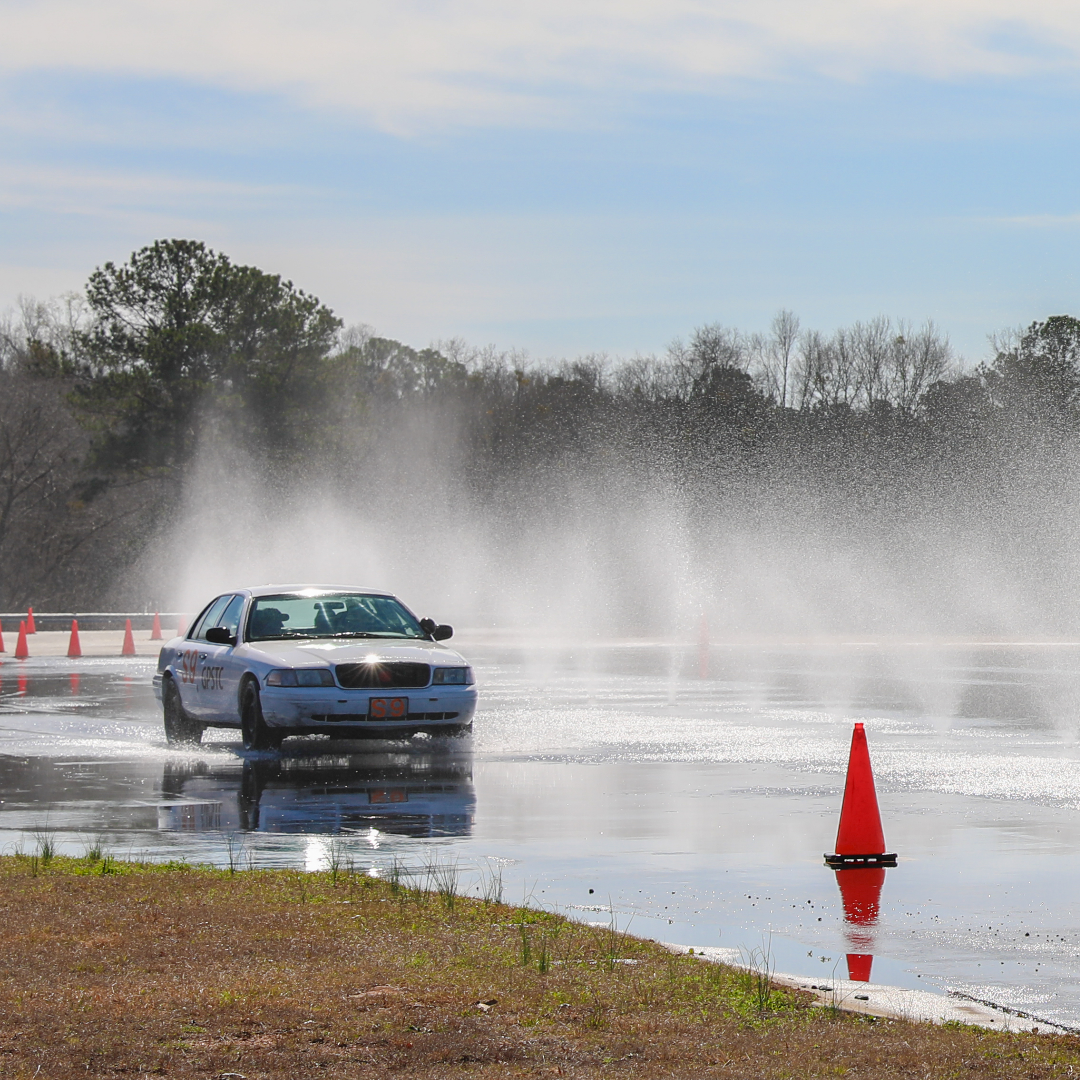
Essentials of Law Enforcement Driving
The purpose of this course is to reduce crashes through risk awareness, knowledge of vehicle dynamics that affect performance and capability, and principles of sight, space, speed and direction management.

Ethics and Professionalism
This independent online training course is designed to provide officers with a review of the basics of law enforcement ethics and professionalism. Topics include the canons of police ethics, stakeholders and their expectations, and ethical practices for maintaining professional standards.

Eyewitness Identification
This course was designed to present law enforcement officers with alternative methods and best practices of conducting identification procedures to greatly enhance eyewitness identification accuracy. This course is recognized by the Peace Officers Standards and Training Council as one of the courses currently mandated by law for peace officer recertification.

Family Violence
This independent online course is designed to present law enforcement officers with information to enhance their safety while responding to family violence incidents.

Fentanyl Informational Briefing
This online informational briefing was developed to inform public safety of the dangers of exposure to Fentanyl.
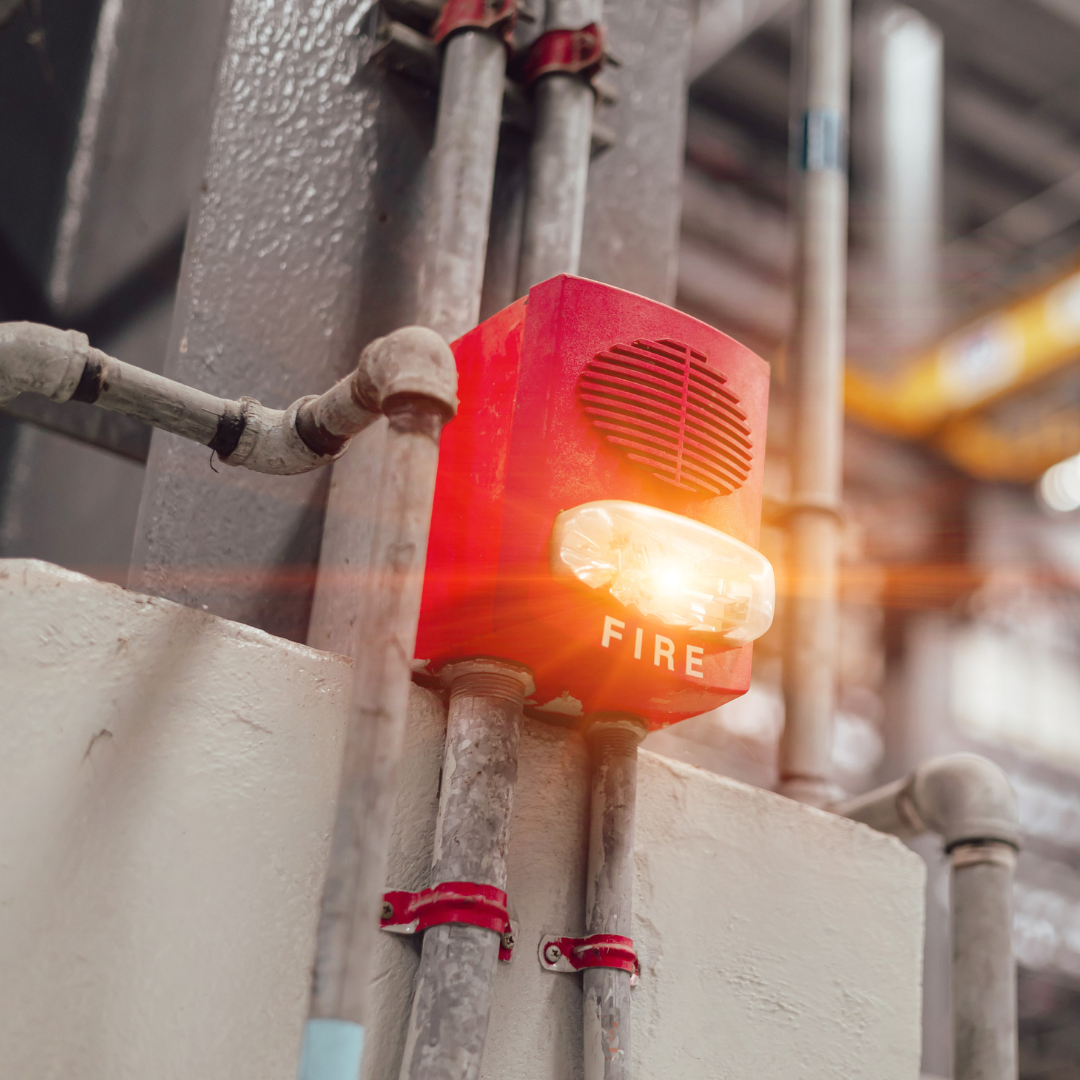
Fire Alarm and Suppression Systems (FEB 2026)
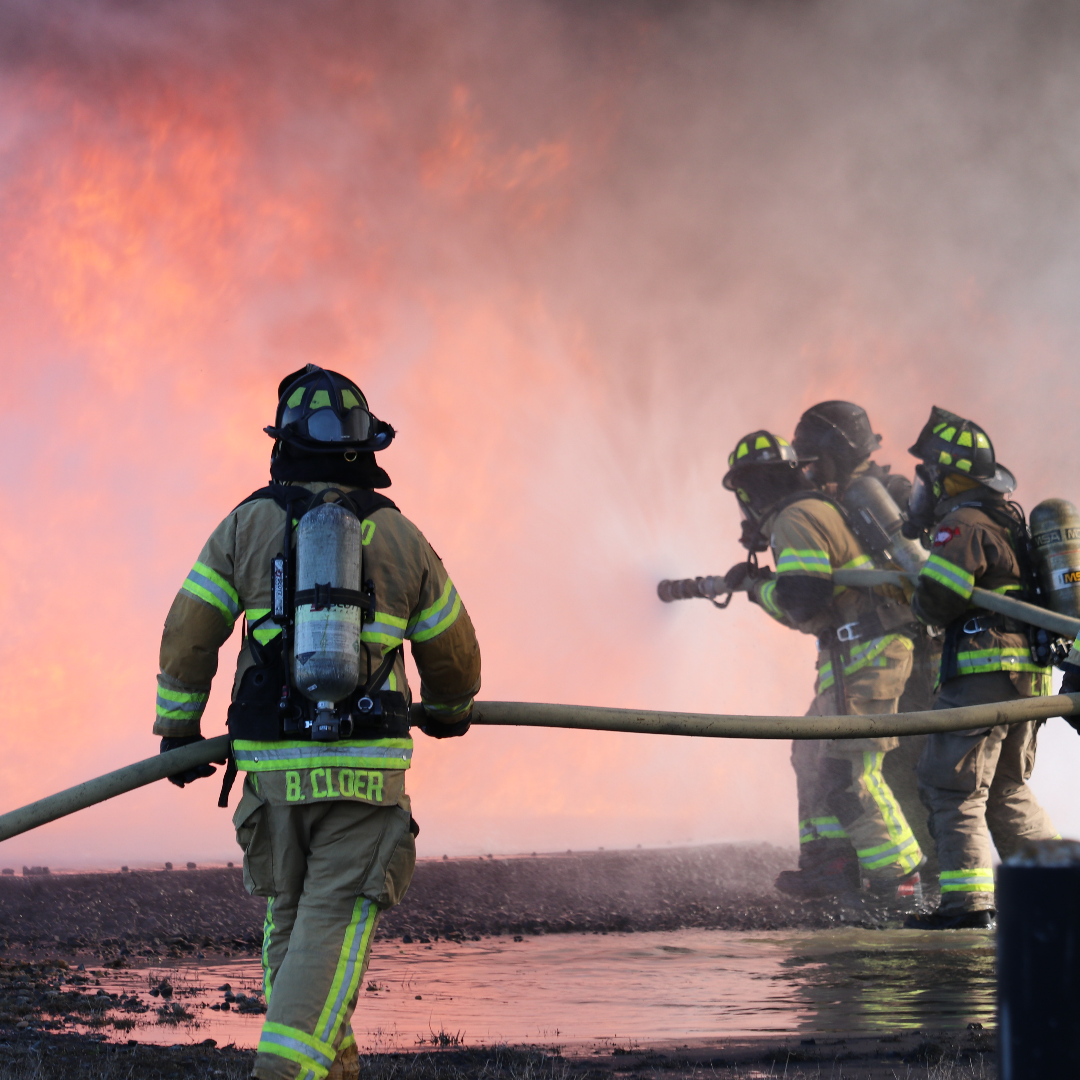
The Fire Alarm and Suppression Systems course provides fire prevention and code enforcement officers, and fire service personnel who desire to have an increased comprehension in the various types and uses of fire protection systems, the basic elements of a public water supply system as it relates to fire protection.