Search results: 284

Leadership in Public Safety: Theory & Practice (MAY 2026)
This course will lay the foundation for our next generation of leaders to become successful supervisors. Completion of the course provides the student with knowledge and skills needed and used by a first-line supervisor. Leaders today are expected to have technical and professional competence in their jobs as well as competence in interpersonal relations. Students will participate in groups, open forum discussions, and complete multiple reading assignments and projects to further their understanding of the learning objectives.

Leadership in Public Safety: Theory & Practice (NOV 2025)
This course will lay the foundation for our next generation of leaders to become successful supervisors. Completion of the course provides the student with knowledge and skills needed and used by a first-line supervisor. Leaders today are expected to have technical and professional competence in their jobs as well as competence in interpersonal relations. Students will participate in groups, open forum discussions, and complete multiple reading assignments and projects to further their understanding of the learning objectives.

Leadership in Public Safety: Theory & Practice (OCT 2025)
This course will lay the foundation for our next generation of leaders to become successful supervisors. Completion of the course provides the student with knowledge and skills needed and used by a first-line supervisor. Leaders today are expected to have technical and professional competence in their jobs as well as competence in interpersonal relations. Students will participate in groups, open forum discussions, and complete multiple reading assignments and projects to further their understanding of the learning objectives.

Leadership in Public Safety: Theory & Practice (SAV JUN 2026)
This course will lay the foundation for our next generation of leaders to become successful supervisors. Completion of the course provides the student with knowledge and skills needed and used by a first-line supervisor. Leaders today are expected to have technical and professional competence in their jobs as well as competence in interpersonal relations. Students will participate in groups, open forum discussions, and complete multiple reading assignments and projects to further their understanding of the learning objectives.

Life Safety Code (DEC 2025)
This course will provide the student with an introduction and overview of the Life Safety Code and how it applies to fire inspections and code enforcement activities.

Life Safety Code (JAN 2026)
This course will provide the student with an introduction and overview of the Life Safety Code and how it applies to fire inspections and code enforcement activities.

Life Safety Code (JUN 2026)
This course will provide the student with an introduction and overview of the Life Safety Code and how it applies to fire inspections and code enforcement activities.

Life Safety Code (MAR 2026)
This course will provide the student with an introduction and overview of the Life Safety Code and how it applies to fire inspections and code enforcement activities.
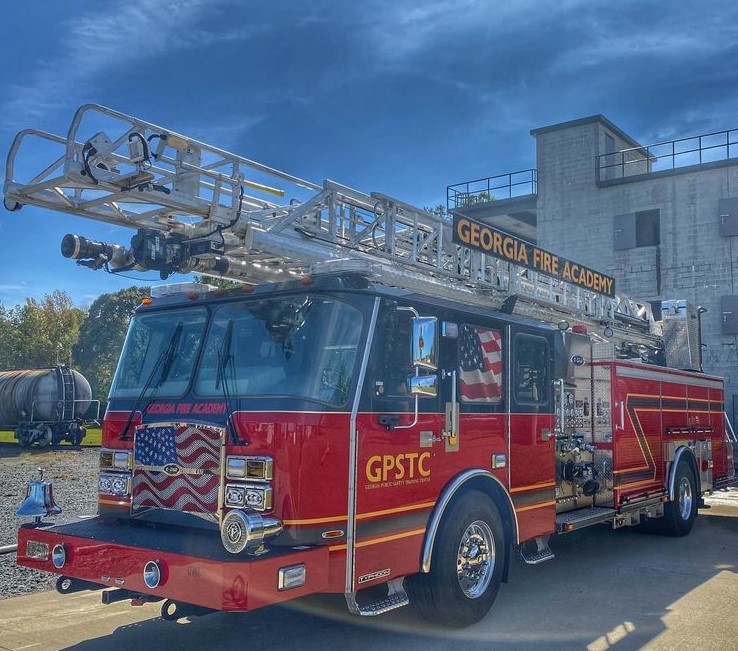
Live Fire Instructor (25-5)
This class is designed to familiarize instructor candidates with compliance requirements of NFPA 1403 and NFPA 1402 Standard on Live Fire Training Evolutions.
Students will learn modern fire behavior concepts and fire attack methodologies.
Students will review standards, learn how to prepare for training exercises, demonstrate procedures and techniques for conducting live fire training exercises. Instructor candidates will participate in live-fire, scenario based training during which they will play the roles of both a student and an instructor.
The purpose of the Live Fire Instructor Program is to adequately prepare the students for Live Fire Instruction in accordance with NFPA 1041, Standard for Fire and Emergency Services Instructor Professional Qualifications, and the best accepted practices of the Georgia Fire Academy.
The projected outcomes for this class will be students who meet the standard for Live Fire Instructor per NFPA 1041 Standard for Fire and Emergency Services Instructor Professional Qualifications and will be able to function as an instructor for live fire training exercises.
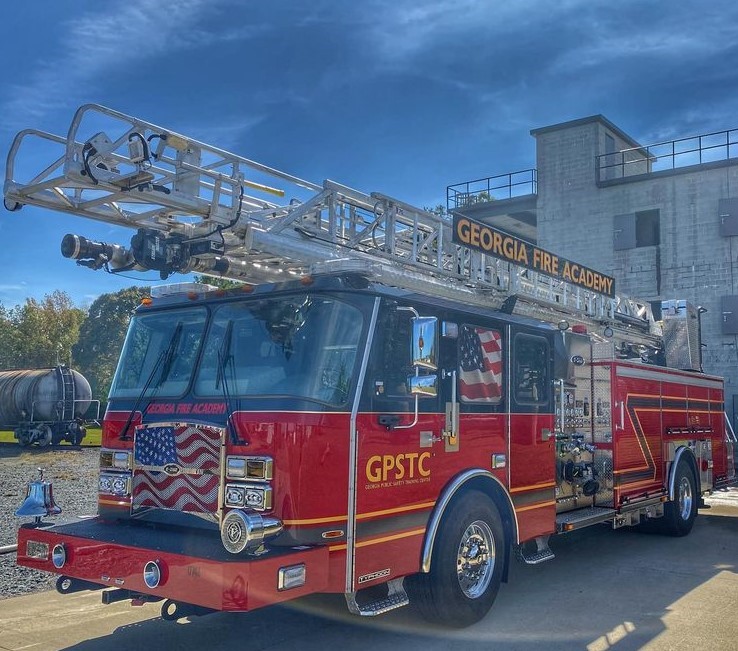
Live Fire Instructor (25-6)
This class is designed to familiarize instructor candidates with compliance requirements of NFPA 1403 and NFPA 1402 Standard on Live Fire Training Evolutions.
Students will learn modern fire behavior concepts and fire attack methodologies.
Students will review standards, learn how to prepare for training exercises, demonstrate procedures and techniques for conducting live fire training exercises. Instructor candidates will participate in live-fire, scenario based training during which they will play the roles of both a student and an instructor.
The purpose of the Live Fire Instructor Program is to adequately prepare the students for Live Fire Instruction in accordance with NFPA 1041, Standard for Fire and Emergency Services Instructor Professional Qualifications, and the best accepted practices of the Georgia Fire Academy.
The projected outcomes for this class will be students who meet the standard for Live Fire Instructor per NFPA 1041 Standard for Fire and Emergency Services Instructor Professional Qualifications and will be able to function as an instructor for live fire training exercises.
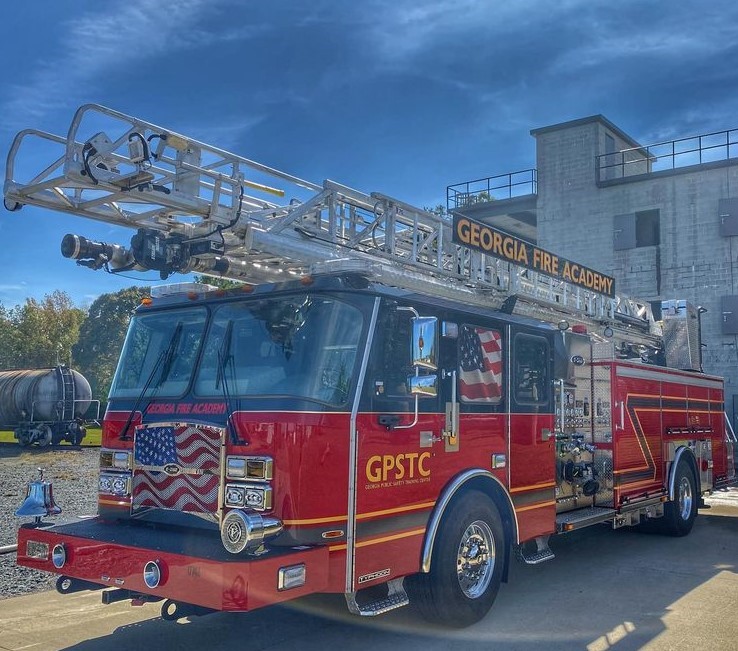
Live Fire Instructor (25-7)
This class is designed to familiarize instructor candidates with compliance requirements of NFPA 1403 and NFPA 1402 Standard on Live Fire Training Evolutions.
Students will learn modern fire behavior concepts and fire attack methodologies.
Students will review standards, learn how to prepare for training exercises, demonstrate procedures and techniques for conducting live fire training exercises. Instructor candidates will participate in live-fire, scenario based training during which they will play the roles of both a student and an instructor.
The purpose of the Live Fire Instructor Program is to adequately prepare the students for Live Fire Instruction in accordance with NFPA 1041, Standard for Fire and Emergency Services Instructor Professional Qualifications, and the best accepted practices of the Georgia Fire Academy.
The projected outcomes for this class will be students who meet the standard for Live Fire Instructor per NFPA 1041 Standard for Fire and Emergency Services Instructor Professional Qualifications and will be able to function as an instructor for live fire training exercises.
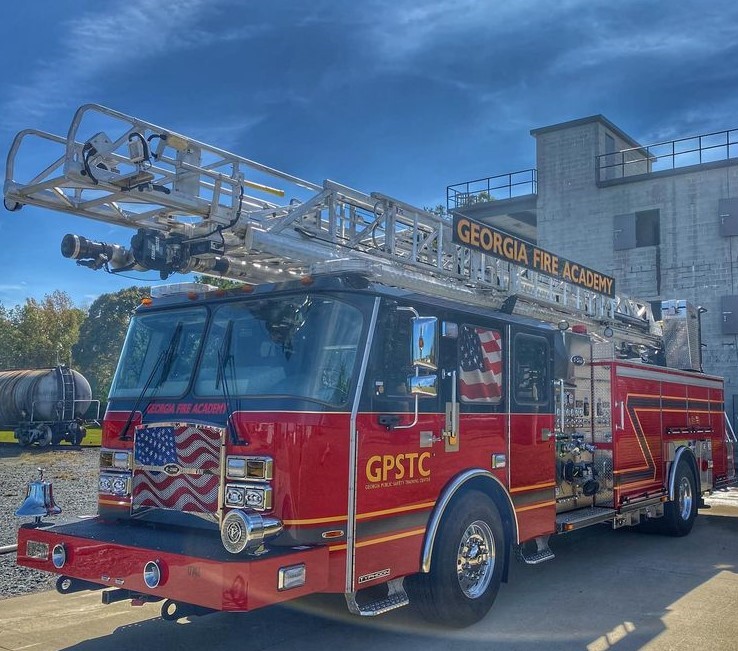
Live Fire Instructor (26-1)
This class is designed to familiarize instructor candidates with compliance requirements of NFPA 1403 and NFPA 1402 Standard on Live Fire Training Evolutions.
Students will learn modern fire behavior concepts and fire attack methodologies.
Students will review standards, learn how to prepare for training exercises, demonstrate procedures and techniques for conducting live fire training exercises. Instructor candidates will participate in live-fire, scenario based training during which they will play the roles of both a student and an instructor.
The purpose of the Live Fire Instructor Program is to adequately prepare the students for Live Fire Instruction in accordance with NFPA 1041, Standard for Fire and Emergency Services Instructor Professional Qualifications, and the best accepted practices of the Georgia Fire Academy.
The projected outcomes for this class will be students who meet the standard for Live Fire Instructor per NFPA 1041 Standard for Fire and Emergency Services Instructor Professional Qualifications and will be able to function as an instructor for live fire training exercises.
Live Fire Instructor (26-2)
This class is designed to familiarize instructor candidates with compliance requirements of NFPA 1403 and NFPA 1402 Standard on Live Fire Training Evolutions.
Students will learn modern fire behavior concepts and fire attack methodologies.
Students will review standards, learn how to prepare for training exercises, demonstrate procedures and techniques for conducting live fire training exercises. Instructor candidates will participate in live-fire, scenario based training during which they will play the roles of both a student and an instructor.
The purpose of the Live Fire Instructor Program is to adequately prepare the students for Live Fire Instruction in accordance with NFPA 1041, Standard for Fire and Emergency Services Instructor Professional Qualifications, and the best accepted practices of the Georgia Fire Academy.
The projected outcomes for this class will be students who meet the standard for Live Fire Instructor per NFPA 1041 Standard for Fire and Emergency Services Instructor Professional Qualifications and will be able to function as an instructor for live fire training exercises.
Live Fire Instructor (26-3)
This class is designed to familiarize instructor candidates with compliance requirements of NFPA 1403 and NFPA 1402 Standard on Live Fire Training Evolutions.
Students will learn modern fire behavior concepts and fire attack methodologies.
Students will review standards, learn how to prepare for training exercises, demonstrate procedures and techniques for conducting live fire training exercises. Instructor candidates will participate in live-fire, scenario based training during which they will play the roles of both a student and an instructor.
The purpose of the Live Fire Instructor Program is to adequately prepare the students for Live Fire Instruction in accordance with NFPA 1041, Standard for Fire and Emergency Services Instructor Professional Qualifications, and the best accepted practices of the Georgia Fire Academy.
The projected outcomes for this class will be students who meet the standard for Live Fire Instructor per NFPA 1041 Standard for Fire and Emergency Services Instructor Professional Qualifications and will be able to function as an instructor for live fire training exercises.
Live Fire Instructor (26-4)
This class is designed to familiarize instructor candidates with compliance requirements of NFPA 1403 and NFPA 1402 Standard on Live Fire Training Evolutions.
Students will learn modern fire behavior concepts and fire attack methodologies.
Students will review standards, learn how to prepare for training exercises, demonstrate procedures and techniques for conducting live fire training exercises. Instructor candidates will participate in live-fire, scenario based training during which they will play the roles of both a student and an instructor.
The purpose of the Live Fire Instructor Program is to adequately prepare the students for Live Fire Instruction in accordance with NFPA 1041, Standard for Fire and Emergency Services Instructor Professional Qualifications, and the best accepted practices of the Georgia Fire Academy.
The projected outcomes for this class will be students who meet the standard for Live Fire Instructor per NFPA 1041 Standard for Fire and Emergency Services Instructor Professional Qualifications and will be able to function as an instructor for live fire training exercises.
Live Fire Instructor (26-5)
This class is designed to familiarize instructor candidates with compliance requirements of NFPA 1403 and NFPA 1402 Standard on Live Fire Training Evolutions.
Students will learn modern fire behavior concepts and fire attack methodologies.
Students will review standards, learn how to prepare for training exercises, demonstrate procedures and techniques for conducting live fire training exercises. Instructor candidates will participate in live-fire, scenario based training during which they will play the roles of both a student and an instructor.
The purpose of the Live Fire Instructor Program is to adequately prepare the students for Live Fire Instruction in accordance with NFPA 1041, Standard for Fire and Emergency Services Instructor Professional Qualifications, and the best accepted practices of the Georgia Fire Academy.
The projected outcomes for this class will be students who meet the standard for Live Fire Instructor per NFPA 1041 Standard for Fire and Emergency Services Instructor Professional Qualifications and will be able to function as an instructor for live fire training exercises.

Living a Balanced Life
This interactive online course is designed to present public safety personnel with the tools to practice individual awareness and resiliency, financial responsibility, spiritual resiliency, the impact of proper sleep, nutrition, and wellness, and strategies for increasing resilience and wellness on the job and in their personal lives.